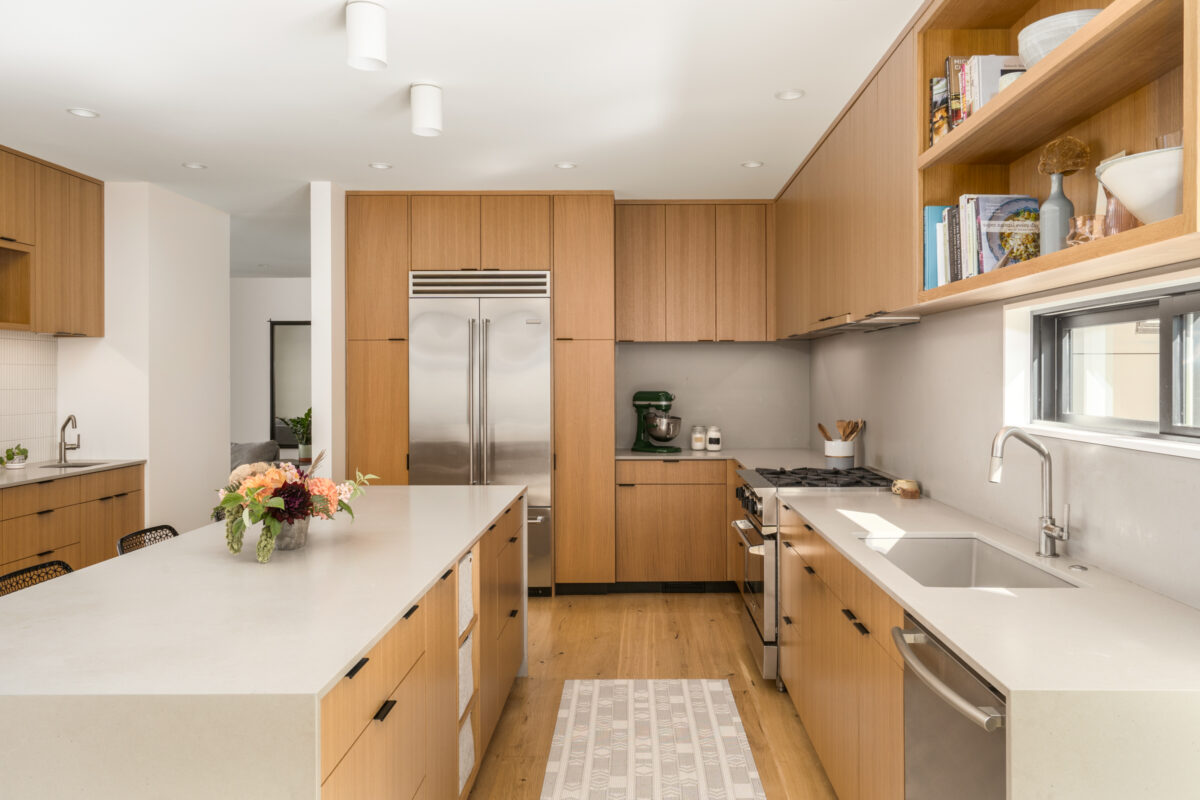
Every remodel starts with a vision — more space, better flow, a home that finally fits the way you live. But between that first idea and the finished room, there’s a long stretch where good projects quietly go sideways. The most common remodeling mistakes in Seattle aren’t dramatic; they’re small, avoidable missteps in planning, budgeting, and communication that compound into delays, rework, and regret.
The good news: nearly all of them are predictable, which means they’re preventable. Below are the mistakes we see most often on Seattle home remodels — and the process we’ve built over years of custom home renovations to keep them from ever reaching your project.
1. Rushing or skipping the planning phase
This is the mistake that creates most of the others. It’s tempting to move fast — to get demolition started and “figure out the details as we go.” But changing a layout, a finish, or a structural decision after construction has begun is where budgets balloon and timelines slip.
Thoughtful planning up front is the cheapest insurance you can buy. Decisions made on paper cost a fraction of what they cost once walls are open and trades are on site. Slowing down at the start is how you speed up everything after it.
2. Starting without a holistic plan
A close cousin of rushing: fixing one pain point — the cramped kitchen, the unfinished basement — without asking how that change fits the rest of the house or your long-term goals. Solve one problem in isolation and you often create two more down the hall.
The better approach is to understand the full picture before committing to any one piece. Even when a project only touches a single room, the plan should account for how today’s work connects to what you might do next — so this year’s kitchen doesn’t fight next year’s addition. That’s what keeps an investment cohesive instead of piecemeal.
3. Choosing a contractor on price alone
Budget matters — but the lowest bid is rarely the lowest cost. A number that looks great on day one can quietly grow through change orders, rework, and the “surprises” a thin estimate conveniently left out. What you save up front, you often pay for later, with interest.
The more reliable signal is process: a clear scope, honest communication, and a track record of finishing what was promised. A well-run remodel delivers value the lowest bid can’t — predictable outcomes and work that holds up. That’s not an argument for the most expensive builder; it’s an argument for the one whose number you can actually trust.
4. Ignoring the “impossible triangle”
There’s an old rule in construction: budget, schedule, and quality — you can usually optimize for two, not all three. Push hard on the lowest price and you’ll feel it in the timeline or the finish. Demand top quality on an aggressive schedule and the budget moves. Pretending the triangle doesn’t exist is one of the most common remodeling mistakes homeowners make.
The fix isn’t to give something up — it’s to decide, early and on purpose, which of the three has the most give for you. When you name your priorities at the start, the trade-offs become choices you control instead of compromises that get made for you halfway through.
5. Prioritizing trends over timeless design
Trends are fun, but they age fast. The finish that feels fresh today can read as dated in five years — and dated finishes cost real money to redo. That doesn’t mean avoiding style; it means anchoring the exciting choices to enduring ones.
This matters even more if your home isn’t your forever home. Classic layouts, quality materials, and cohesive detailing appeal to a wider range of future buyers, protecting resale value long after the project wraps. The goal is a space that feels current now and still looks intentional a decade from now.
6. Underestimating how much your involvement matters
Some homeowners assume the best thing they can do is hand over the keys and disappear. In practice, the most successful remodels are collaborations — the client’s input at the right moments is exactly what keeps a project on track and true to their vision.
That doesn’t mean living on the job site. It means staying reachable for decisions and, if your schedule is full, naming a single point of contact — a partner, a family member — who can keep choices moving. Timely input prevents the stalls and guesswork that push schedules out. Your engagement is a feature of a good process, not a burden on it.
7. Overlooking communication
At its core, a remodel is a relationship, and every relationship runs on communication. When expectations aren’t aligned, even small misunderstandings grow into frustration. Most of the “horror stories” people tell about remodeling aren’t really about craftsmanship — they’re about someone who stopped returning calls. Consistent, structured communication — regular check-ins, clear status updates, honest conversations when something unexpected surfaces, is what turns an anxious process into a confident one. It’s also the single biggest reason homeowners come back for their next project and refer their friends.